10 March 2025
What is Kizomba? – Angolan dance culture explained
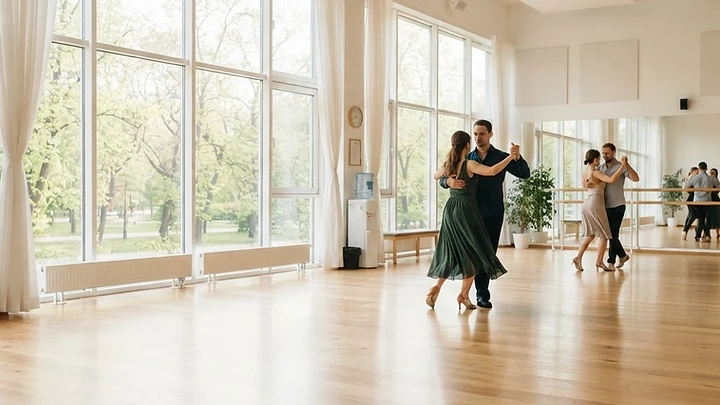
Kizomba emerged in Angola in the late 1970s and early 1980s, when musicians blended traditional Semba rhythms with electronic influences and Caribbean sounds like Zouk. The dance that developed with this music is characterized by flowing, smooth movements and a close embrace.
The word „Kizomba“ comes from Kimbundu, one of Angola's national languages, and means „party“ or „celebration.“ It describes not just a dance, but an entire social experience – people come together to listen to music, dance, and share community.
What sets Kizomba apart from other dances is the connection between partners. Leading is not done through visible signals, but through subtle weight shifts and body movements. The follower learns to respond to the finest impulses, creating a deep communication without words.
Today, Kizomba is danced worldwide – from Luanda to Lisbon, from Paris to Berlin. Despite its international spread, the Angolan origin remains alive: the music, the way of dancing, and the values of respect and connection are deeply rooted in Angolan culture. At our school on Kaiserdamm, we bring this authentic spirit to Berlin.